


$1,200 to $3,500
Small, caught early
- One room or a closet
- Clean water, dried in place
- Three to five days
24/7 water damage restoration in Princeton, TX. The restoration team extracts standing water, dries the slab, walls and cabinets to the IICRC S500 standard and documents every step for your insurance claim.
(888) 527-9134Get extraction rolling tonight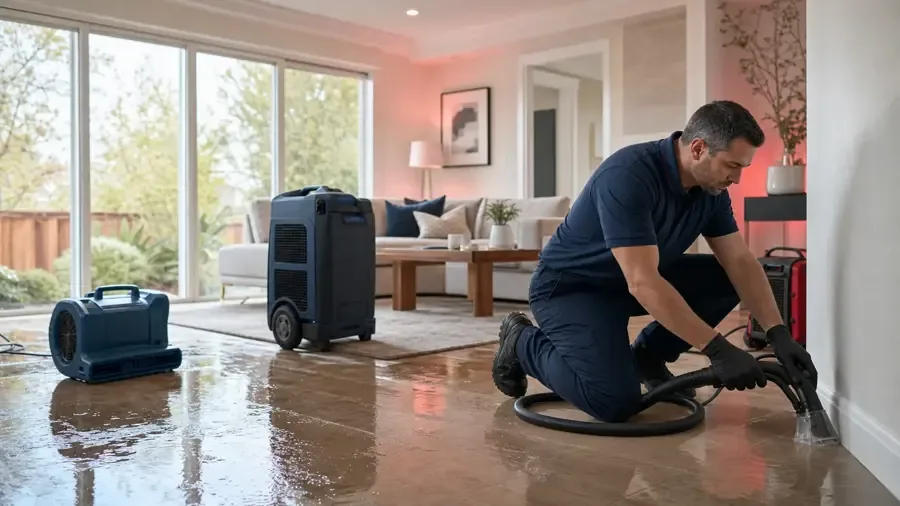
In many slab homes it sits in a box near the curb or on the wall where the supply enters, often by the garage.
Only from a dry breaker panel. If water is near the panel or an outlet, stay clear of it.
Turn the gas valve to pilot or switch off its breaker before the tank drains or the element burns out.
The source, the waterline on the baseboards and every wet room, with the time on each photo.
Rugs, boxes and electronics off the floor, then call while the water is still on the surface of the slab.
Water and sewage only, sorted by where the water shows up in a slab-on-grade house, from the attic air handler down to the pipes under the concrete.
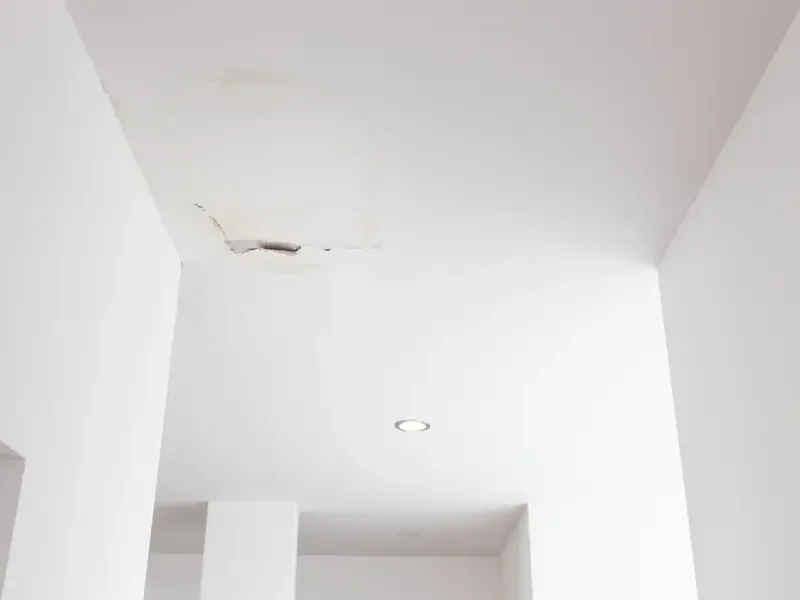
Condensate pans, roof flashing and upstairs baths send water down through the ceiling.
 AC Condensate Leak Water DamageOverflowing drain pans and clogged condensate lines dripping through upstairs ceilings.See the service
  Roof Leak Water DamageWind-driven rain through flashing, vents and shingles into attic insulation and ceilings.See the service
  Ceiling Leak Water DamageWater from an upstairs bath or supply line that stains, sags or drops a ceiling.See the service
 Hoses, seals and storage tanks that let go in the rooms used every day.
Supply lines in walls, attics and under the concrete, where a leak hides longest.
 Slab Leak Water DamageHidden leaks under the concrete, traced with thermal imaging and dried out of the floor.See the service
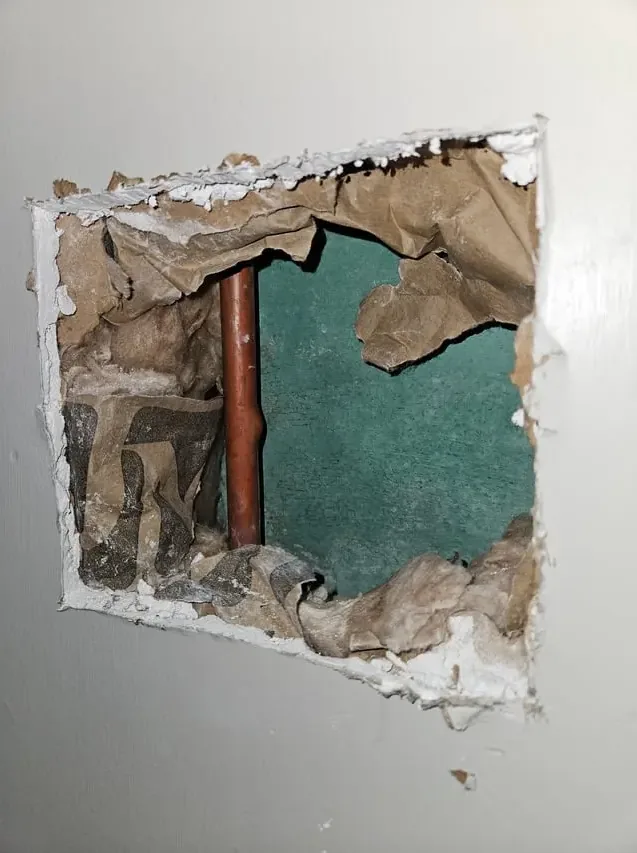
  Burst Pipe Water DamageSplit supply lines inside walls and ceilings, opened only where readings say, then dried.See the service
  Frozen Pipe Water DamageAttic and exterior-wall pipes that freeze in a cold snap and leak on the thaw.See the service
 Runoff from the street and backflow from the sewer, both handled as contaminated.
Extraction, drying and commercial work that runs from the slab to the attic.
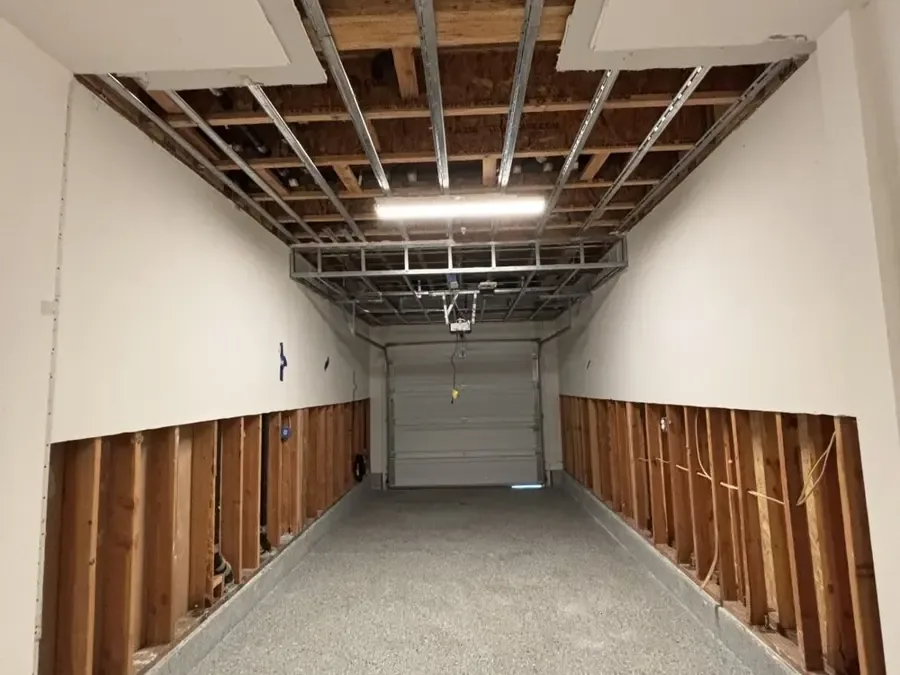
 Emergency Water RemovalStanding water pulled out first, from a flooded garage to a soaked living room carpet.See the service
  Structural DryingSlab, framing, drywall and cabinets dried to verified readings, not just dry to the touch.See the service
  Commercial Water DamageShops, offices and restaurants along the main corridor back open after a water loss.See the service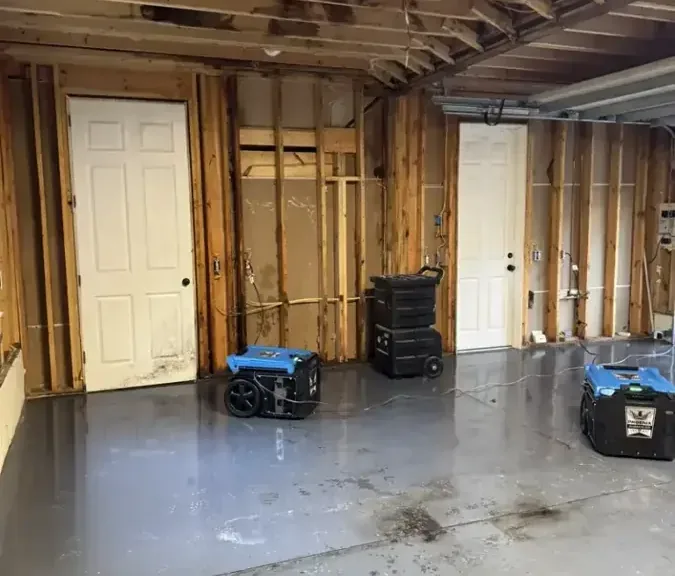
The response team covers ZIP 75407 day and night, so extraction starts before water wicks into drywall, baseboards and cabinet bases.
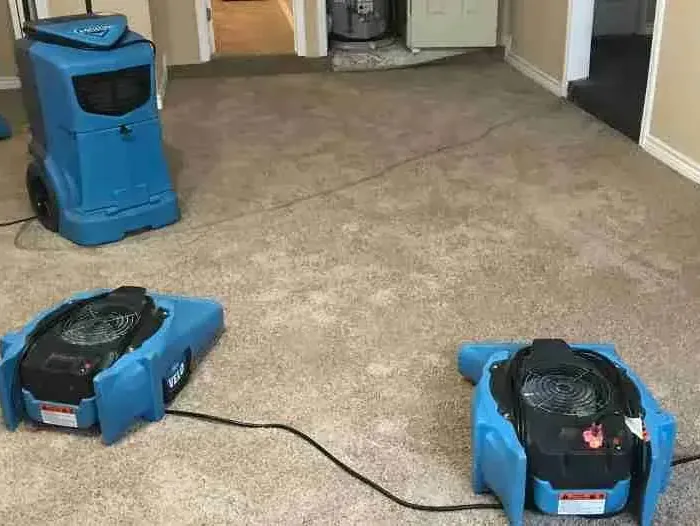
Structural drying, not just surface drying: moisture mapping first, then air movers and dehumidifiers sized to each room.
Timestamped photos before demolition, the moisture map and daily psychrometric logs, all ready for the adjuster.
Slab leaks, attic condensate overflows and new-build plumbing on Collin County clay are everyday work here.
What separates a finished dry-out from a cosmetic one is the order of the work and the readings at the end.
The tech who does the walkthrough maps every wet material with thermal imaging and pinless meters before equipment goes down.
Truck-mounted extraction pulls standing water off the slab and out of carpet and pad, not into the next room.
Air movers match each room's evaporation load while LGR dehumidifiers pull the moisture out of the air.
Equipment stays until wet materials read within 2 to 4 points of a dry reference in the same house.
A contained Class 1 loss usually dries in three to five days. A slab soaked from below, hardwood and cabinet bases take longer, and the equipment leaves on readings, not on a schedule.
Most water damage restoration jobs here run $1,200 to $3,500 for a small, clean-water loss caught early, $3,500 to $9,000 when several rooms or a ceiling are involved, and $9,000 to $25,000 or more for Category 3 water or a whole floor. The water category, square footage, material class and how fast drying started set the number.
For a planning number on your own loss, use the water damage cost calculator. The walkthrough and the moisture map set the actual scope.
Category 1, 2 and 3 water are handled differently, and the source decides which one is in the house.
A split supply line, a slab leak or a water heater tank. Often dried in place when the work starts early.
Washer discharge, dishwasher water or an overflowing AC drain pan. Soaked porous materials are cleaned or pulled.
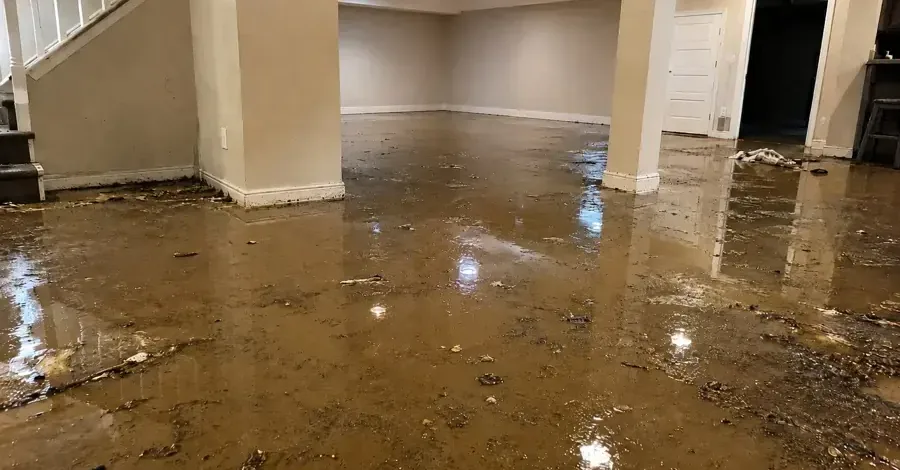
Sewage backing up through a toilet or tub, and storm runoff from the street. Porous materials get removed, not dried.
See sewage backup cleanupA water claim is decided on the file. The restoration team builds it while the work happens, from the first reading to the last.
A sudden pipe or water heater failure is treated differently from rising surface water, which falls under flood coverage, and slow leaks are often excluded. Coverage depends on your policy, so it is worth checking with your own insurer.
Where the water went, measured from day one.
Temperature, humidity and material readings until the goal is met.
Taken before any demolition, with the waterline and source visible.
A line-item scope in the format adjusters expect.
Water behaves differently in a slab-on-grade house. It spreads under vinyl plank and carpet pad, wicks up drywall and into cabinet bases, and drips through a ceiling when the attic air handler overflows.
The restoration team works every part of town, from the subdivisions off US 380 and Princeton Road to the older homes along FM 982, and dries every job to the IICRC S500 standard.
How the work is done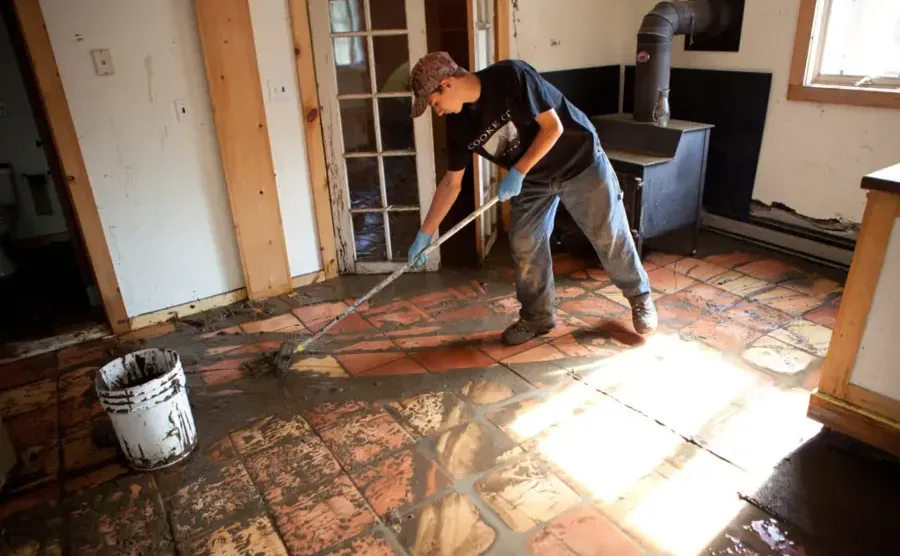
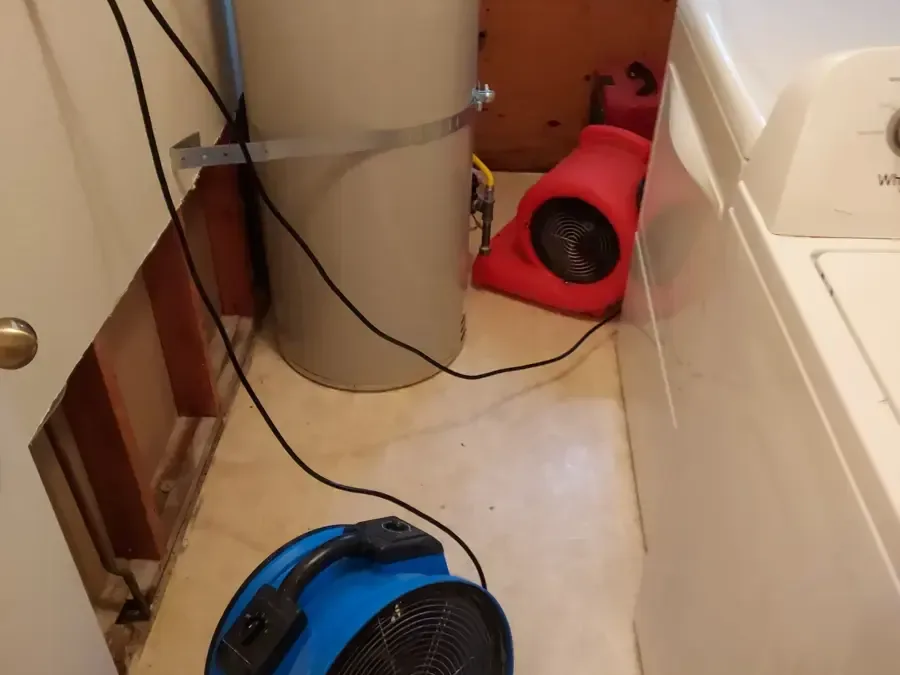
Have three things ready: which rooms are wet, where the water came from, and whether it is still running. That decides the equipment that comes along.
One of the fastest-growing cities in the country, Princeton grew from 17,027 people in 2020 to an estimated 43,524 in 2025. Its water problems come from that new housing, the clay under it and the weather.
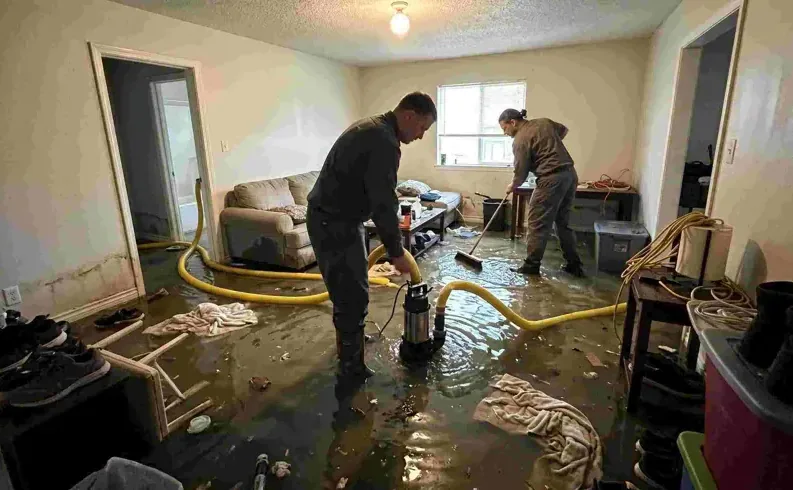
Water damage calls are treated as urgent at any hour, 24/7. Extraction is the first job, because every hour standing water sits on a slab it wicks further into drywall, baseboards and cabinet bases.
Close the main shut-off, cut power to wet rooms from a dry panel, turn off the water heater if the leak is near it, and photograph the damage before anything is moved.
A contained Class 1 loss usually dries in three to five days. A slab soaked from a leak underneath, hardwood and cabinet bases take longer. The equipment stays until readings reach the drying goal.
It is the industry standard for water damage restoration. It covers how water is categorized, how drying equipment is sized and how dryness is verified with moisture readings against a dry reference.
Most homes in town sit on concrete slabs over clay that swells when wet and shrinks when dry. That movement stresses pipes in and under the slab, and a leak there stays hidden until flooring or a bill gives it away.
Drywall that wicked Category 1 water can often be dried in place with the baseboards off. Drywall touched by sewage or storm water, or wet long enough to swell, gets cut out above the waterline.
Sewage is Category 3 water from the moment it backs up. The crew wears protective gear, contains the area, removes porous materials it touched and applies an EPA-registered antimicrobial before drying.
Many policies cover sudden and accidental water, such as a burst pipe or a failed water heater, while rising flood water needs flood coverage. Coverage depends on your policy, so check with your own insurer.
Cost follows the water category, the square footage that got wet, the material class and how fast drying started. The cost calculator gives a planning range before the walkthrough.
Mold can start growing within 24 to 48 hours on wet materials, which is why fast extraction and drying to the S500 goal matter on every water loss.
Standing water moves into baseboards, cabinets and the slab under the flooring. Getting extraction started tonight keeps the job smaller.